Sweden Steps Back From Plan to Jail Thirteen Year Old Serious Offenders
The government still wants tougher rules for young people involved in violent crime, but it has abandoned its most controversial proposal after failing to secure enough parliamentary support.
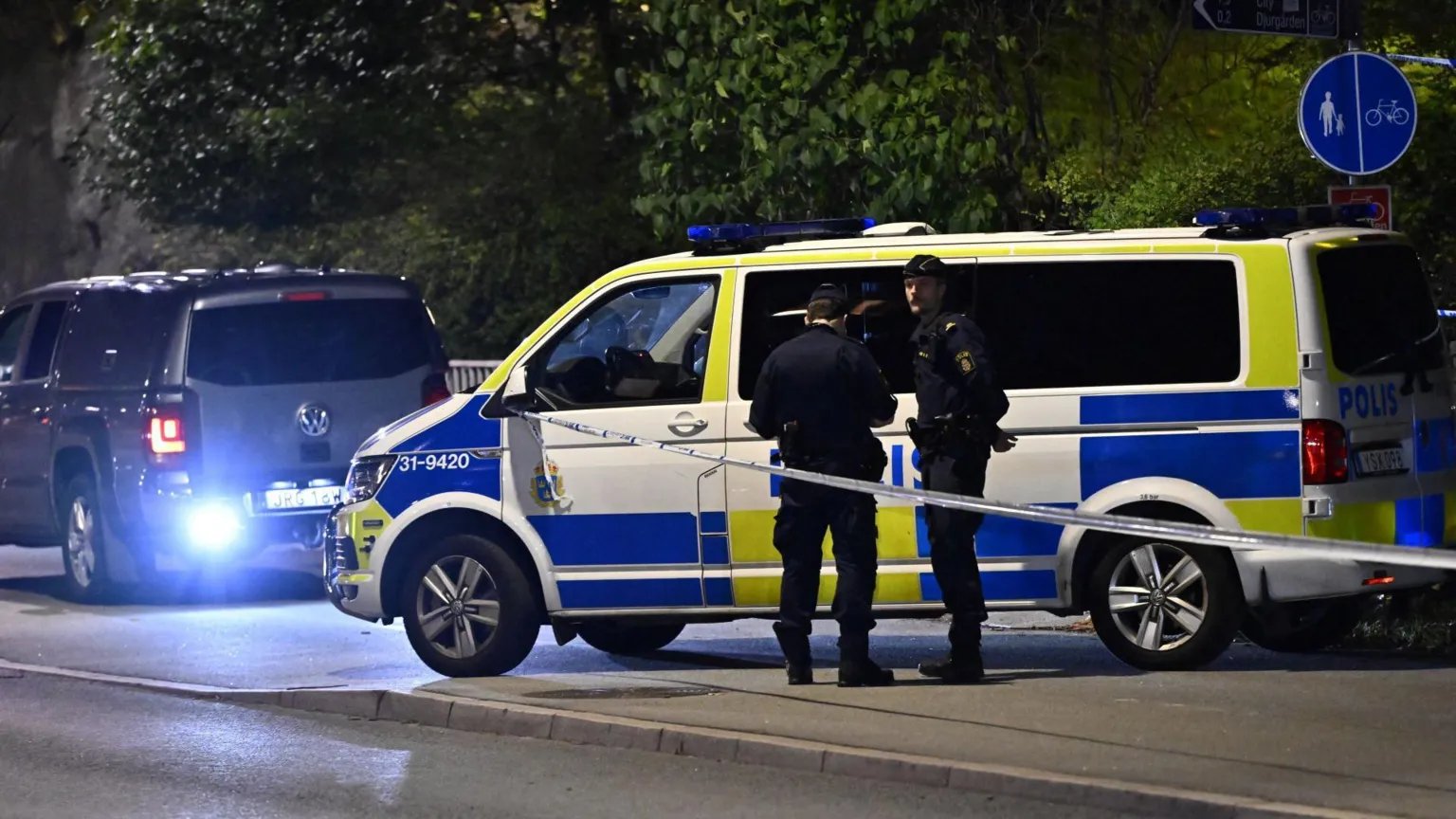
Sweden has dropped its plan to allow serious offenders as young as thirteen to be imprisoned, after the government concluded that the proposal lacked enough parliamentary support. The country is still facing a severe debate over youth crime, gang recruitment, and public safety, but the government now plans to lower the age of criminal responsibility (straffmyndighet) from fifteen to fourteen instead of thirteen. The change marks a retreat from one of the most controversial parts of Sweden’s recent justice policy. It also shows how difficult it has become to balance punishment, child protection, and the fear created by violent organised crime.
Justice Minister Gunnar Strömmer has argued that Sweden needs stronger tools because criminal networks are increasingly using children for serious offences. According to the minister, more than fifty children under fifteen appeared in court last year in cases involving murder or attempted murder. The government believes that the current system leaves a gap when very young suspects are involved in extremely serious crimes. By lowering the age of responsibility to fourteen, ministers say courts could impose more proportionate (proportionerliga) sanctions and create better conditions for rehabilitation than the present system allows.
At the moment, children under fifteen who commit violent acts are not punished through the ordinary criminal justice system in the same way as older teenagers or adults. Instead, they may be placed in special youth homes, often known as SiS homes. These institutions are supposed to provide care, structure, and treatment, but they have come under growing pressure. Critics say some youth homes have become unsafe, poorly controlled, or vulnerable to gang influence. The government has argued that the system sometimes fails to stop young offenders from continuing along a criminal trajectory (kriminell bana) after release.
The abandoned age thirteen proposal would have represented a major shift in Swedish justice. It would have allowed some very young offenders to be placed in special sections inside existing prisons, separated from adults. Eight prisons had reportedly been asked to prepare areas for children. Supporters said this was necessary to protect society from life threatening violence and to protect victims, who are often children themselves. Opponents warned that placing thirteen year olds in prison could deepen trauma, increase criminal identity, and weaken the possibility of rehabilitation (rehabilitering) at an age when children are still developing.
Child rights organisations have strongly criticised the idea of lowering the age of criminal responsibility. Groups such as Bris argue that the real priority should be strengthening youth homes, improving early intervention, and preventing children from being recruited by gangs in the first place. Human rights advocates also warn that criminal punishment for very young children may conflict with international standards on children’s rights. Their concern is that a child used by a criminal network may be both an offender and a victim of exploitation (utnyttjande), especially when older gang members pressure minors to carry out dangerous tasks.
The political debate reflects Sweden’s wider struggle with organised crime. For decades, Sweden had an international image as a peaceful and socially stable country. In recent years, however, shootings, explosions, and gang conflicts have damaged that image. Violent networks have used younger teenagers because minors may face lighter consequences and can be easier to manipulate. Some children are reportedly given simple errands at first, then drawn deeper into criminal activity. This pattern has made youth recruitment a central part of the country’s criminological (kriminologiska) discussion.
The Foxtrot network has become one of the most widely discussed examples of this problem. The gang has been linked to shootings, bombings, contract violence, and the use of young people for criminal tasks. Its leader, Rawa Majid, became known as a powerful figure in Sweden’s gang environment, while rival conflicts helped fuel a wave of violence. In 2023, tensions between Foxtrot and a rival group connected to Ismail Abdo contributed to a particularly violent period. These conflicts showed how fast local criminal disputes could become national security concerns with serious repercussions (återverkningar).
Swedish authorities have also examined whether criminal networks have been used in attacks connected to foreign interests. Several incidents involving very young suspects have targeted places linked to Israel, including the Israeli embassy in Stockholm and the defence company Elbit Systems in Gothenburg. Sweden’s security service has said that some attacks could be linked to Iran through the use of criminal intermediaries. Iran has rejected such allegations as unfounded and biased. The issue has added a new layer of geopolitical (geopolitisk) concern to Sweden’s already serious gang violence problem.
The United States and the United Kingdom sanctioned Foxtrot and Rawa Majid in 2025, saying the network had been involved in violence against Jewish and Israeli targets in Europe on behalf of the Iranian regime. This international response showed that Swedish gang crime is no longer viewed only as a domestic law enforcement issue. It is also seen as part of a wider pattern in which criminal networks can be used for proxy violence, intimidation, or politically motivated attacks. For Sweden, this creates an unusually complex security dilemma (säkerhetsdilemma) involving children, gangs, and foreign influence.
Still, the decision to abandon the age thirteen plan shows that there are limits to how far Swedish lawmakers are willing to go. The government’s centre right coalition depends on fragile parliamentary support, and the proposal faced criticism from opposition parties, experts, and some organisations working with children. Lowering the age to fourteen may be easier to pass because it has previously been discussed as a compromise. Even so, the measure remains controversial. Critics argue that the evidence for lowering the age is weak, while supporters say the state must respond when children are involved in homicidal (mordisk) violence.
A central question is whether prison can actually reduce youth crime. Research on young offenders often stresses that adolescents are impulsive, vulnerable to peer pressure, and still developing emotionally and cognitively. Harsh punishment may satisfy public anger, but it does not automatically stop recruitment. If a young person returns to the same neighbourhood, the same threats, and the same criminal contacts, the risk of further offending may remain high. That is why many experts argue that Sweden needs stronger prevention, family support, school intervention, and social services alongside any punitive (straffande) measures.
The government, however, argues that the current situation demands a firmer response. Ministers say society must protect victims and close legal gaps that organised criminals exploit. If gang leaders know that very young children cannot be prosecuted in the ordinary way, they may deliberately recruit them for the most dangerous tasks. From this perspective, lowering the age of responsibility is not only about punishment, but also about removing an incentive for gangs to use children. The government presents the reform as part of a broader deterrent (avskräckande) strategy against organised crime.
The problem is that young people recruited by gangs often come from vulnerable backgrounds. Some may have experienced family instability, school failure, poverty, threats, or violence. Others may be attracted by money, status, or protection. A purely legal response cannot easily address all these causes. If Sweden wants to stop children from entering gangs, it may need faster social intervention, stronger local policing, better support for families, and safe alternatives for teenagers who want to leave criminal networks. Without those measures, the justice system may only react after serious marginalisation (marginalisering) has already taken hold.
There is also concern about what happens inside institutions. Youth homes have been criticised, but prisons also carry risks. Even if children are separated from adult inmates, they may still meet other young offenders and build stronger criminal identities. Staff need specialist training, schools must continue inside custody, and mental health support must be available. If these conditions are weak, imprisonment could become a place where young people learn more about crime rather than leave it behind. That is why the design of any new system will require careful oversight (tillsyn).
Sweden’s debate is being watched by other European countries because many societies are struggling with youth violence, organised crime, and the role of minors in serious offences. Some governments are tempted to lower the age of responsibility or impose tougher sanctions. Others emphasise prevention and child protection. Sweden’s case is especially important because the country has long been associated with welfare based justice and a strong children’s rights tradition. The current debate therefore feels like an inflection point (vändpunkt) in how the country understands punishment and childhood.
The government’s new plan to lower the age to fourteen will not end the argument. It may satisfy some voters who want stronger consequences, but it will not convince those who believe younger children should be kept outside the criminal justice system. The policy will also be judged by results. If gang recruitment continues, critics will say the reform was symbolic. If fewer children are used in serious crimes, supporters will call it necessary. For now, Sweden is trying to find a difficult compromise (kompromiss) between protecting society and protecting children from a future shaped by violence.
Key Swedish Vocabulary
straffmyndighet criminal responsibility
proportionerliga proportionate
kriminell bana criminal trajectory
rehabilitering rehabilitation
utnyttjande exploitation
kriminologiska criminological
återverkningar repercussions
geopolitisk geopolitical
säkerhetsdilemma security dilemma
mordisk homicidal
straffande punitive
avskräckande deterrent
marginalisering marginalisation
tillsyn oversight
vändpunkt inflection point
kompromiss compromise
For requests or suggestions: pr@learnsvenska.org
Learn the official language of Sweden in 30 days thanks to the most complete Grammar, Vocabulary and Culture courses available. Start speaking Swedish today!

Land of the Midnight Sun

© 2026 All rights reserved
